
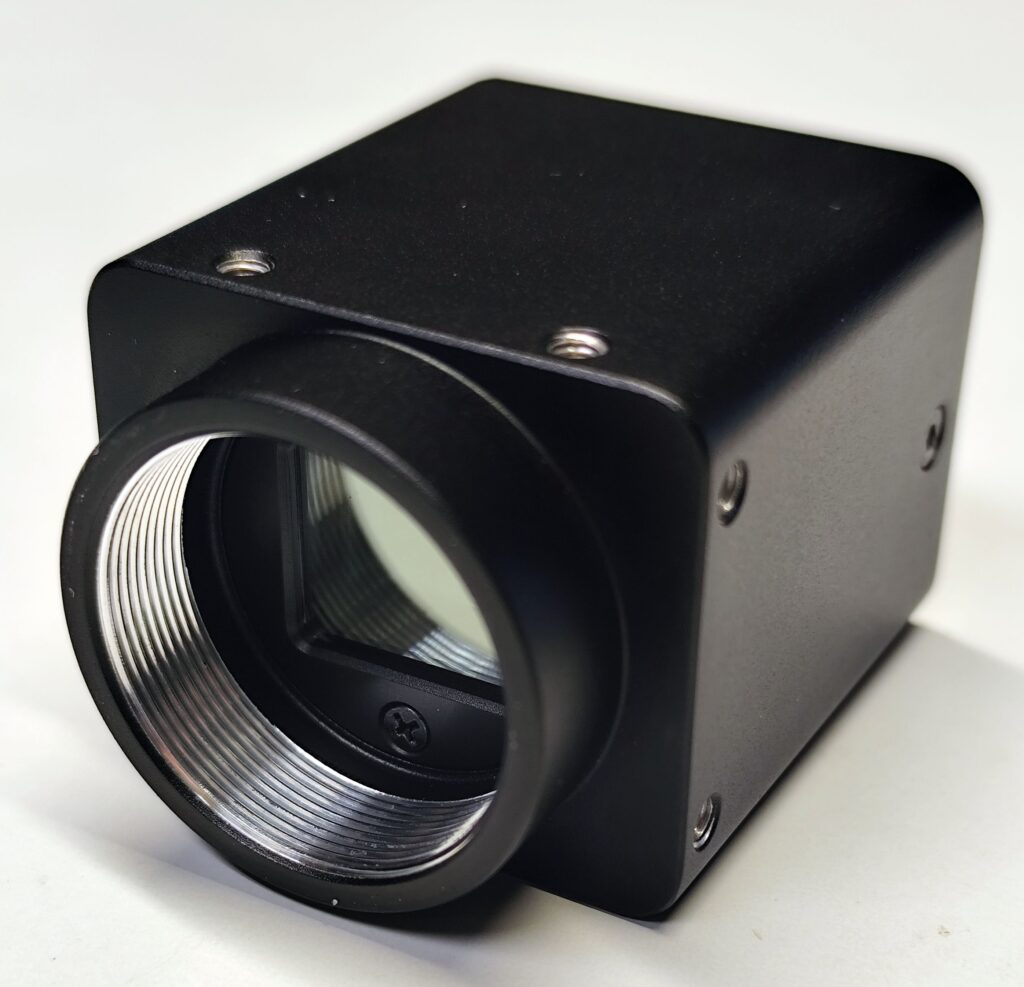
EHD SC900NIR-ICM NIR global shutter camera with Sony IMX900 sensor
The SC900NIR-ICM is a next-generation, ultra-compact industrial camera specifically designed for demanding machine vision applications, high-speed inspections, and scientific measurement procedures. At the heart of the camera is the state-of-the-art Sony Pregius S IMX900 CMOS sensor, which combines brilliant image quality and maximum precision with a resolution of 3.2 megapixels (2064 x 1552 pixels). Thanks to true global shutter technology, the SC900NIR-ICM captures extremely fast motion sequences with absolutely no distortion—ideal for the precise analysis of pulsed laser applications or for quality control in high-speed production processes. A particular highlight is the optimized near-infrared (NIR) sensitivity, which extends well beyond the 1000 nm range. In combination with invisible IR illumination, the camera handles even the most challenging lighting conditions and reveals details that remain hidden to the human eye or standard sensors.
Key Features:
* Sensor: High-end Sony Pregius S IMX900 CMOS sensor (1/3.1″ type).
* Resolution: 3.2 megapixels for detailed and sharp measurement results.
* Shutter type: Global shutter—distortion-free images of fast-moving objects without rolling shutter effects.
* NIR optimization: Superior quantum efficiency in the near-infrared spectrum (> 1000 nm).
* Flexible Interface: Optionally available with a future-proof USB 3.0 or long-range GigE interface for seamless system integration.
Typical Applications:
* Laser profiling and the detection of extremely short-pulsed laser signals.
* Industrial quality control and automated sorting systems (machine vision). * High-speed barcode and marking reading.
* Traffic monitoring (ITS) and autonomous guided vehicles (AGVs/AMRs).
* The SC900NIR-ICM is the perfect choice when maximum speed must be combined with the highest IR light output.
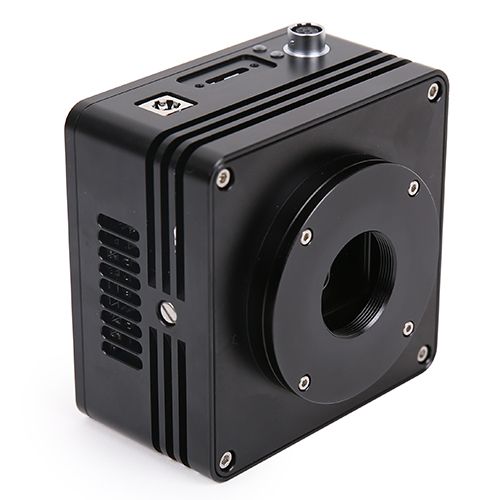
EHD SC585-NIR-CTR Cooled Near-Infrared (NIR) camera detection up to 1300nm.
The SC585-NIR-CTR is a temperature stabilized 8.3MP monochrome rolling shutter cooled camera (IMX585, 1/1.2″), with 2.9 µm pixels and high-resolution imaging. USB3.0 transmission, 4K 45 fps and 1080P 70 fps. Built-in TEC cooling (typical ΔT≈5–10 °C) with closed-loop temperature control and anti-fogging structure, maximum exposure approximately 300 s, suitable for low-light microscopy, online inspection, and large field-of-view recording.
Key Features
Sensor: Sony IMX585 (monochrome, rolling shutter) 8.3MP
Pixel/format: 2.9 µm; 1/1.2″ (12.78 mm diagonal)
Frame rate: 45 fps@3840×2160; 70 fps@1920×1080
Interface: USB3.0; 8/12-bit output
Dynamic range: TBD; Sensitivity: 19120mV
TEC cooling: ΔT≈5–10 °C; closed-loop temperature control, anti-condensation
Maximum exposure: 300s
Gain Control: The camera features switchable gain modes:
HCG (High Conversion Gain) for better performance in low-light environments, providing enhanced image quality.
LCG (Low Conversion Gain) for higher dynamic range in brighter conditions, reducing noise in the image.
Wavelength Sensitivity: The camera is capable of detecting light up to 1200 nm, making it suitable for near-infrared applications, such as surveillance, industrial inspection, or scientific research.
Trigger & GPIOs: It has trigger input/output functions, allowing synchronization with external equipment, and 2 GPIOs (General Purpose Input/Output) for custom control or integration with other devices.
Includes EHDView and cross-platform SDK (Windows/Linux/macOS/Android)
This combination of high resolution, NIR sensitivity, and flexible gain options makes the SC585-NIR-CTR suitable for a variety of demanding imaging tasks.
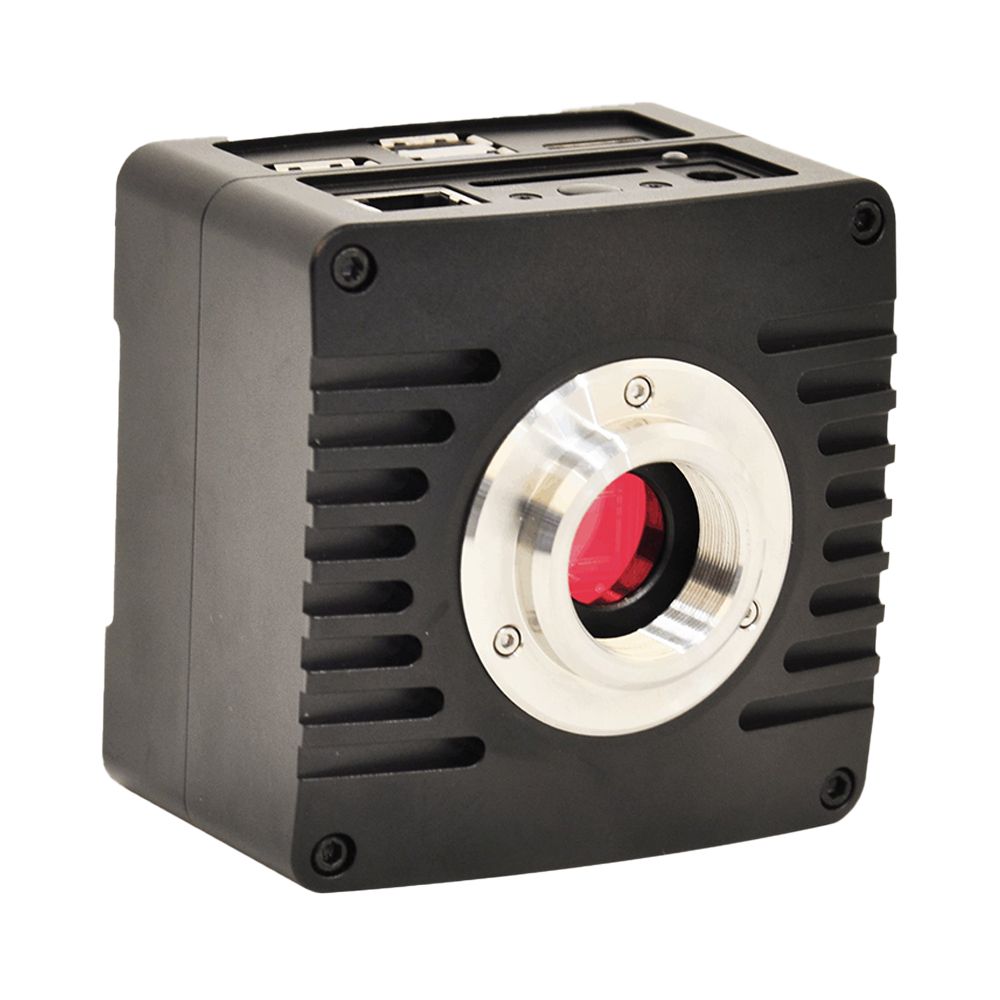
EHD-CAM4K-X5 Multi-Interface camera with build-in image processing and measuring software
The EHD-CAM4K-X5 series supports simultaneous output via HDMI, USB, and network interfaces and was specifically designed for interactive microscopic teaching systems. The system enables multi-terminal sharing and collaborative operation for effective teaching.
Outstanding image quality:
The 1/1.8″ Sony Starvis 2 sensor IMX678 delivers exceptional light sensitivity and low noise, even in challenging lighting conditions.
Exceptional performance:
The combination of 4K at 75 fps and extremely low latency (40 ms) is ideal for live work under the microscope or in quality control, as there is no noticeable delay.
Maximum connectivity:
You can output the signal simultaneously via HDMI, network (IP), and USB, enabling parallel monitoring, streaming, and PC analysis.
Integrated Intelligence:
The camera does not require a PC for complex tasks; features such as focus stacking (depth-of-field synthesis), image comparisons, and stitching are directly integrated into the user interface.
Data Security:
Support for USB 3.0 SSDs and protection against data loss in the event of a power failure make it suitable for critical documentation processes. Storing of Date and Time.
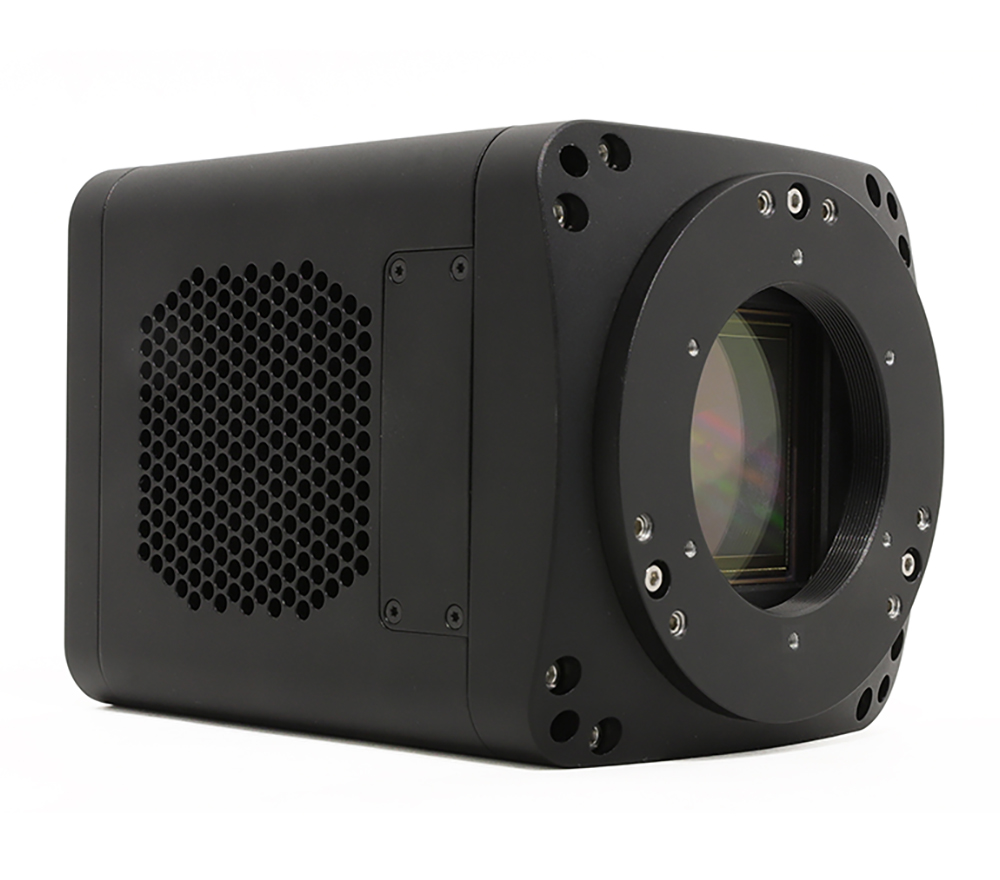
MaxCam-4040UV-TE 16MP Cooled UV Camera with GSENSE4040BSI sensor
The EHD MaxCam-4040UV-TE is a top-tier industrial USB3.0 camera, designed for precision imaging in demanding applications such as scientific research, semiconductor inspection, and medical imaging. Below is a summary of the key features and applications:
Key Features:
Back-Illuminated sCMOS Sensor:
The GSENSE4040BSI sensor enhances light sensitivity and minimizes image noise, making it ideal for low-light environments. Its back-illuminated design boosts overall image quality, which is critical for scientific and industrial applications.
Cooling System:
A two-stage Peltier cooling system reduces the sensor’s temperature by up to -40°C below ambient. This cooling minimizes thermal noise, enhancing the signal-to-noise ratio and providing clearer, high-quality images.
The cooling system includes a smart structure with an electric fan to accelerate heat dissipation, further preventing moisture buildup and improving the camera’s longevity.
High-Resolution Imaging:
Equipped with 16-bit A/D conversion, the camera captures detailed, high-resolution images with low noise, enabling accurate measurements and superior image quality even in challenging environments.
Data Transfer:
The camera uses USB 3.0 for fast and efficient data transfer, ensuring smooth, rapid image acquisition. Additionally, a CL-Interface option is available for greater industrial flexibility.
Flexible Mounting:
The camera supports an M52 mount as standard and offers an optional F-Mount adapter, providing compatibility with various lenses and setups for versatile installation options.
Software and SDK:
Comes with EHDView acquisition software for intuitive image management. The camera also includes a cross-platform SDK compatible with Windows, Linux, and macOS, enabling integration into diverse systems.
Supports control through DirectShow and TWAIN, allowing easy third-party software integration.
Front Illuminated Version (Optional):
The camera is also available with a front-illuminated sensor for specific applications where the optical characteristics of this design may be more beneficial.
GPS Module (Optional):
A GPS module is available for location-specific imaging tasks.
Applications:
Scientific Research: The high sensitivity and noise reduction make it ideal for experiments requiring detailed imaging in low-light conditions.
Semiconductor Inspection: The high resolution and low-noise imaging capabilities ensure precise defect detection in semiconductor materials.
Medical Imaging: Provides clear, high-quality images for medical diagnostics and imaging procedures.
Industrial Vision Systems: Perfect for high-precision inspection and quality control in industrial environments.
Conclusion:
The EHD MaxCam-4040BSI-TE camera excels in high-performance imaging tasks, combining advanced sensor technology, cooling mechanisms, and flexible software integration. Its adaptability and precise image capture capabilities make it a reliable choice for applications in science, industry, and medical fields.
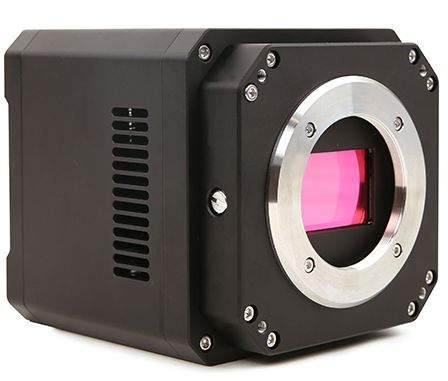
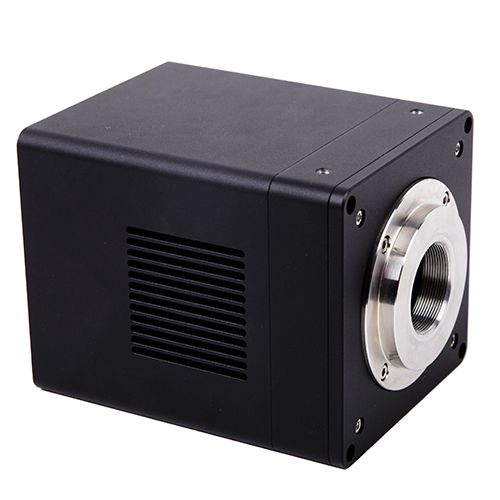
SC2020UV-ITR (GSENSE2020BSI) Cooled UV camera with GSENSE2020BSI sensor, hight-sensitive, and USB3.0.
The EHD SC2020UV-ITR series industrial USB3.0 camera, featuring the GSENSE2020BSI monochrome sCMOS sensor, is designed to capture high-resolution images with minimal noise. Here are some key features of this camera:
Sensor:
GSENSE2020BSI: 4.0MP, 1.2″ frame, back-illuminated sCMOS monochrome sensor.
Pixel Size:
2048×2048 pixels with a size of 11×11µm, allowing for detailed imaging with good sensitivity.
Cooling and Image Quality:
The sensor chip is equipped with a two-stage Peltier cooler, reducing the temperature to -40°C under ambient conditions, which significantly improves the signal-to-noise ratio (SNR) and reduces image noise. This is particularly beneficial for capturing clear and precise images in low-light or high-dynamic range conditions.
The camera’s smart thermal design ensures efficient heat dissipation, preventing moisture accumulation, while the electric fan further accelerates cooling.
Resolution and Bit Depth:
The camera supports high-resolution, low-noise imaging with 16-bit A/D conversion, guaranteeing detailed and accurate images.
It offers 8-bit, 11-bit, 12-bit, and 16-bit HDR output options for different imaging requirements, especially when dealing with high dynamic range scenes.
Connectivity and Compatibility:
The camera utilizes the USB3.0 interface for fast data transfer, making it compatible with most industrial computer systems.
It also has 2 GPIO’s and Trigger IN/OUT, allowing for synchronized operation with other equipment in automated or experimental setups.
It includes a C-Mount, with an optional F-Mount adapter for flexible lens mounting options.
Software and SDK:
The camera comes with the EHDView acquisition software for controlling and capturing images, and it supports a free Windows, Linux, and macOS SDK for integration into custom software applications.
Global Reset Mode:
The camera features Global Reset Mode, which is useful for precise timing and synchronization in imaging systems.
This camera is well-suited for applications requiring high sensitivity, low noise, and high resolution, such as scientific research, industrial inspection, and quality control.
SC9701UV-ITR Cooled UV camera with GLUX9701BSI sensor, high-sensitive, and USB3.0.
The EHD SC9701UV-ITR series industrial USB 3.0 camera with the GLUX9701BSI sensor is a highly capable imaging device designed for demanding applications. Here’s a breakdown of its key features:
Sensor Specifications:
Sensor Type:
1.3 MP backilluminated sCMOS monochrome sensor (GLUX9701BSI).
Resolution:
1280 x 1024 pixels.
Pixel Size:
9.76 x 9.76 µm.
Light Sensitivity:
Sensitive across a broad wavelength range from 200 to 1100 nm, making it suitable for both infrared (IR) and ultraviolet (UV) imaging.
Low Light Performance:
The high sensitivity and cooling features allow it to capture clear images in low-light environments, which is ideal for scientific and industrial applications where light levels are often low.
Cooling and Noise Reduction:
Peltier Cooling:
The sensor is equipped with a two-stage Peltier cooler, capable of reducing the temperature to -40°C below ambient temperature. This cooling system minimizes thermal noise and significantly improves the signal-to-noise ratio (SNR), providing high-quality, noise-free images.
Heat Radiation Efficiency:
The smart structural design, combined with an electric fan, helps dissipate heat efficiently and prevent moisture build-up, which could affect image quality and sensor performance.
Data Transfer and Interface:
USB 3.0 Interface: Fast data transfer is supported through the industry-standard USB 3.0 interface, ensuring high-speed communication and minimal lag when capturing images or video.
A/D Conversion:
The 16-bit analog-to-digital conversion ensures high-resolution and low-noise images with excellent image fidelity.
Trigger and GPIO:
The camera is equipped with two General-Purpose Input/Output (GPIO) pins and Trigger IN/OUT functionality, making it flexible for use in synchronization with other equipment in automated systems or experimental setups.
Lens Mount and Adaptability:
The camera comes with a C-mount and an optional F-mount adapter, offering flexibility for different lenses, depending on your specific application.
Software and SDK:
EHDView Software: The camera comes with acquisition software (EHDView) for controlling the camera and acquiring images.
SDK: A multi-platform Software Development Kit (SDK) is provided for Windows, Linux, and macOS. This SDK allows integration into custom software or automation systems for specialized imaging needs.
HDR Output:
The camera supports 8-bit and 16-bit High Dynamic Range (HDR) output, allowing it to capture detailed images in high-contrast scenes.
This camera is ideal for applications in industrial inspection, scientific research, and any environment where high sensitivity, low-light performance, and noise reduction are critical.
Is the camera also suitable as NIR and Night-View camera?
Technical note
SC1605UV-ITR Cooled UV camera with GLUX1605BSI sensor and USB3.0.
The EHD SC1605UV-ITR series industrial camera is designed for high-performance imaging in various demanding environments. Below is an overview of its features:
Sensor:
The camera is equipped with a GLUX1605BSI, a 0.5MP 1″ back-illuminated sCMOS monochrome sensor with 800×600 pixels, where each pixel measures 16×16µm.
This sensor is highly sensitive in the 200-1100nm range, making it suitable for infrared and ultraviolet applications. Its high light sensitivity also makes it effective in low-light conditions.
Cooling:
The sensor benefits from a two-stage Peltier cooling system that can cool the chip to -40°C below ambient temperature. This significantly enhances the signal-to-noise ratio and reduces image noise by improving the sensor’s thermal performance.
The camera includes an electric fan to assist with heat dissipation, ensuring efficient heat radiation and preventing moisture buildup.
Image Quality:
The camera supports 16-bit A/D conversion, ensuring high-resolution, low-noise images with very high quality. It also provides HDR output (8-bit/16-bit), enabling the capture of images with wide dynamic ranges, ideal for applications requiring accurate light representation.
Connectivity:
Data transfer is facilitated through a USB 3.0 interface, offering fast communication and reliable image acquisition.
The camera includes 2 GPIO pins and Trigger IN/OUT, allowing for flexible integration into automated systems or specific setups.
Mounting and Software:
The camera has a C-Mount, with an optional F-Mount adapter for compatibility with a wide range of lenses.
It is compatible with the EHDView acquisition software and includes a free SDK for Windows, Linux, and MacOS platforms, making it versatile for different user needs and environments.
This combination of high sensitivity, cooling technology, and powerful data transfer capabilities makes the EHD SC1605UV-ITR camera well-suited for precision industrial applications, scientific research, and environments with low-light or specialized wavelength requirements.
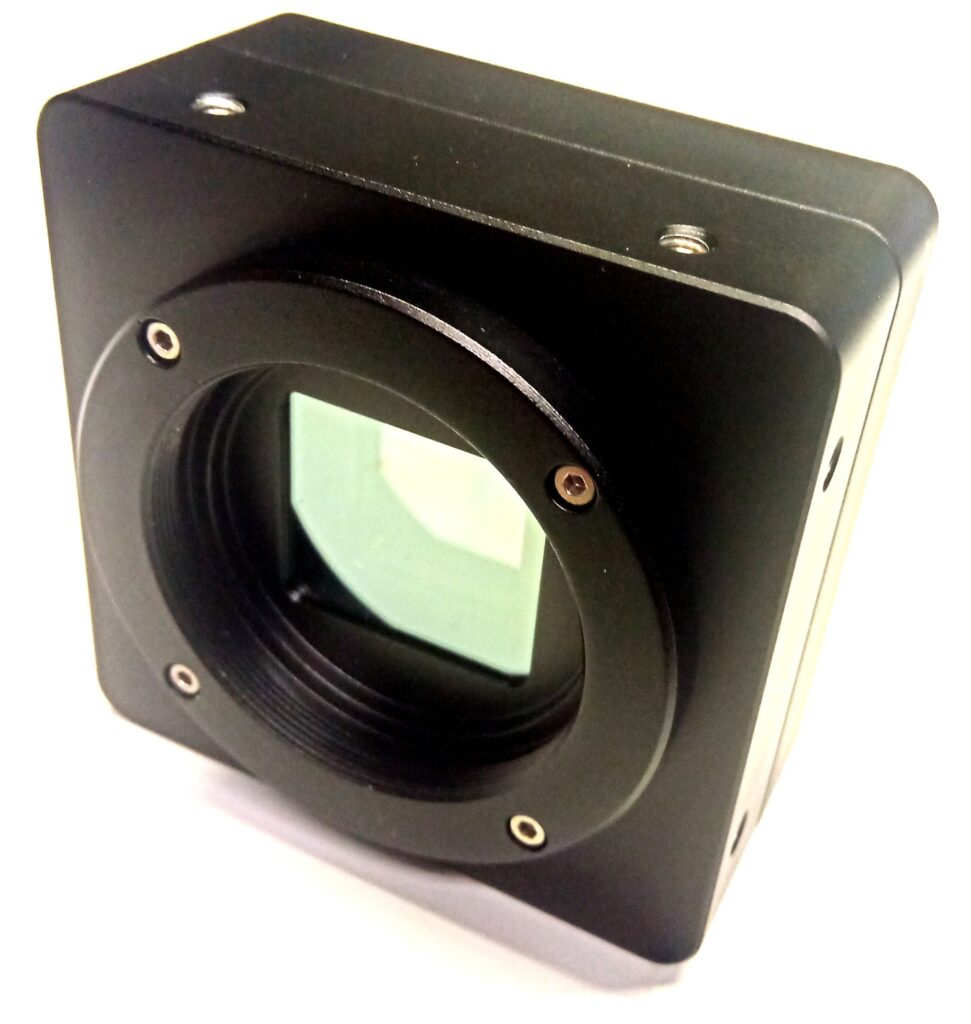
SCA400-UV-TR (GSENSE400BSI) UV camera with GSENSE400BSI sCMOS sensor and USB3.0 interface.
The EHD SCA400-UV-TE series scientific USB3.0 camera is designed for high-performance imaging applications, featuring a GSENSE400BSI, 4.0MP, 2.0″ frame backilluminated sCMOS monochrome sensor. This advanced sensor offers high sensitivity, allowing for detailed imaging even in low-light conditions, which is ideal for scientific and industrial applications where image quality is critical.
Key features of the camera include:
High-Resolution and Low Noise:
The 16-bit A/D conversion ensures precise, low-noise, high-resolution images, making it suitable for demanding applications in microscopy, astronomy, and other research fields.
Data Transfer:
With the USB3.0 interface, the camera provides fast data transfer, allowing for quick image acquisition and analysis.
Camera Interface:
The camera supports GPIO’s (General Purpose Input/Output) for custom configurations and a Trigger IN/OUT for synchronizing with external devices or experiments.
Mounting Options:
The camera comes with a T-Mount, and a F-Mount adapter is available as an optional accessory, allowing for flexible integration with various optics and lenses.
Software and SDK:
EHDView acquisition software is included, along with a free SDK compatible with Windows, Linux, and macOS platforms, allowing for easy integration and control in a variety of operating environments.
This camera series is an excellent choice for researchers and professionals requiring high-quality, high-speed imaging with versatile mounting options and robust software support.
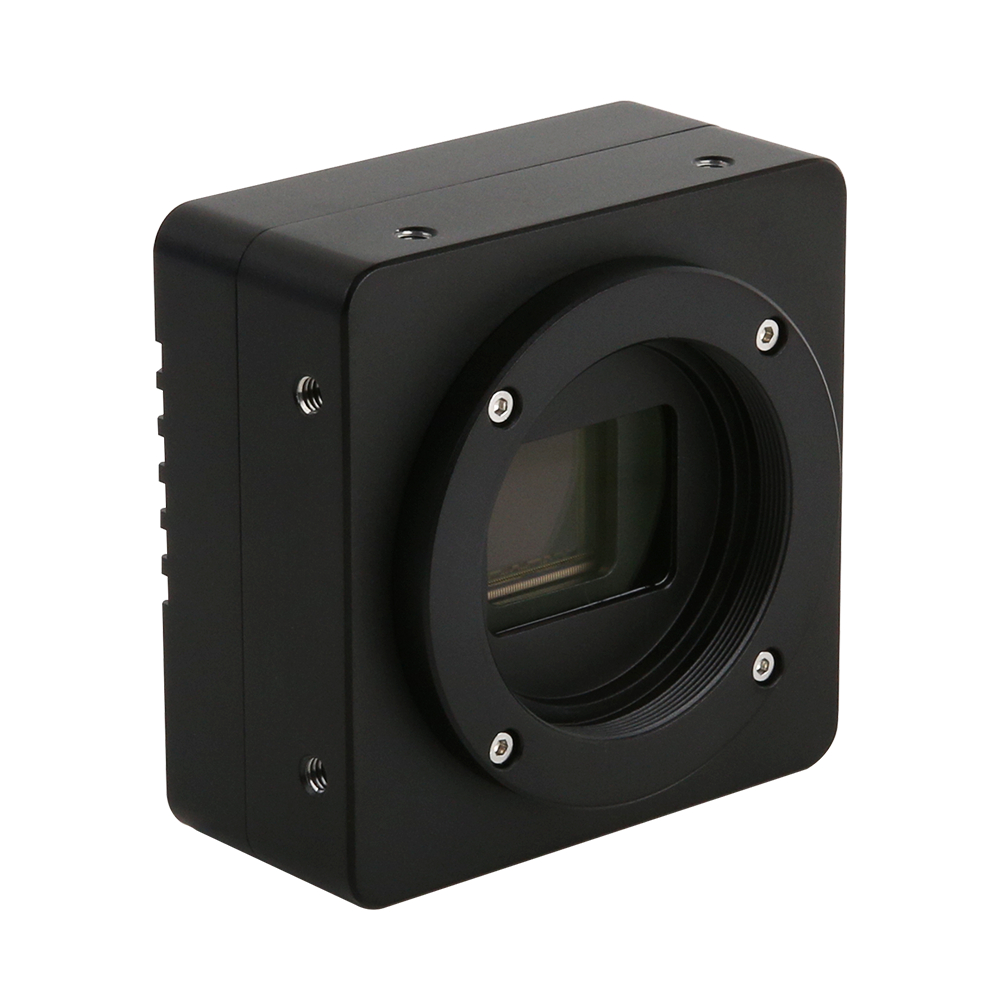
SCA2020-UV-TR (GSENSE2020BSI) UV camera with GSENSE2020BSI sensor and USB3 or 10G interface.
The SCA2020UV-TR camera is designed for high sensitivity and versatility, featuring the GSENSE 2020BSI-H (back-illuminated) sCMOS sensor. Here’s a summary of its key specifications:
Sensor:
The GSENSE 2020BSI sCMOS sensor has a size of 1.2 inches with a resolution of 2048×2048 pixels, with each pixel measuring 6.5 x 6.5 µm. The back-illuminated design enhances light sensitivity, improving performance in low-light conditions.
Optional is a sensor version without cover glass available!
Mount:
The camera is equipped with an M42 mount and includes an adjustable C-Mount adapter for flexible lens compatibility.
Triggering:
A new external trigger I/O function provides the ability to synchronize the camera with other devices or systems.
Framerate:
At full resolution, the camera supports a maximum framerate of 32 fps.
Exposure Time:
The maximum exposure time can be extended up to 60 seconds, making it suitable for applications requiring long exposure in low-light environments.
Gain Modes:
The camera offers selectable gain modes including Low Conversion Gain (LCG), High Conversion Gain (HCG), and 16bit High Dynamic Range (HDR), which allow for improved image quality under different lighting conditions.
Interface:
High-Speed USB3.0 or 10G interface available.
Software:
It includes the EHDView software suite, an SDK, and a USB 3.0 or GigE cable for easy integration. Additionally, there is EHDView Lite software for MAC OS and Linux systems, expanding compatibility for diverse operating environments.
This camera is ideal for scientific imaging, industrial applications, and other environments where high sensitivity, low noise, and flexible control over exposure and gain are essential.